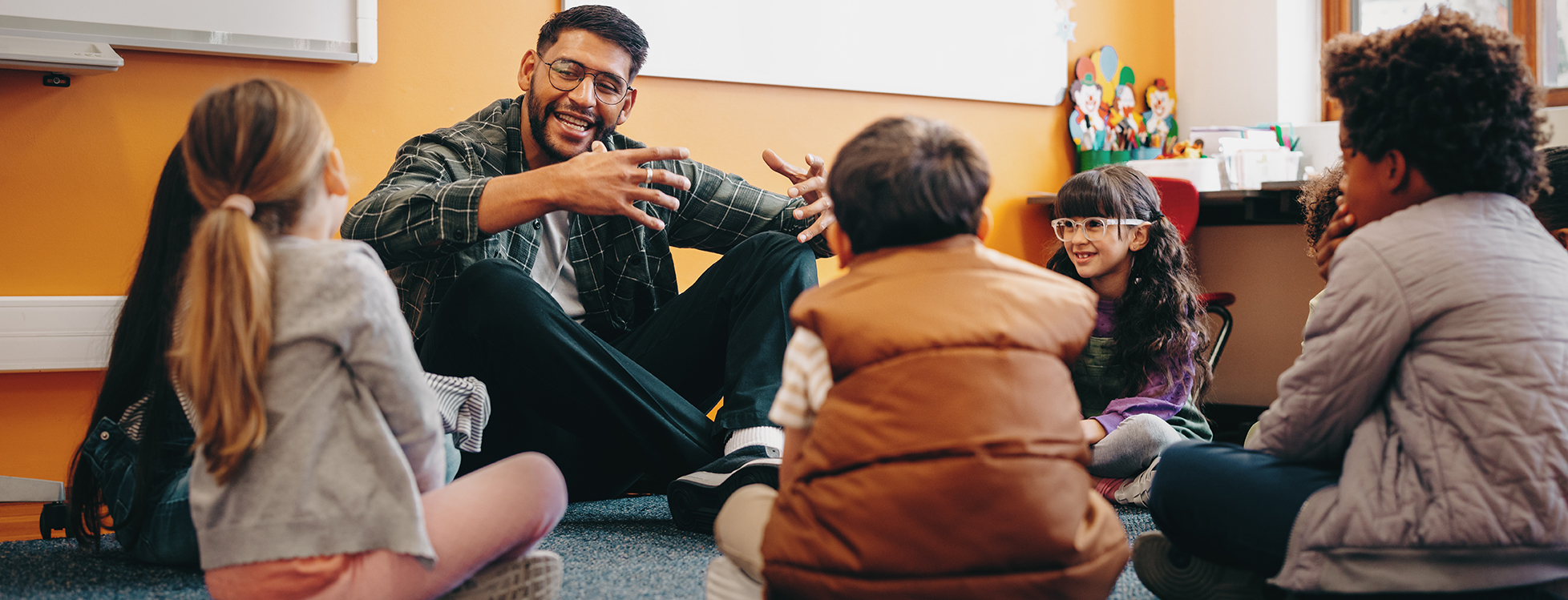
Classroom Guidelines for Talking About Prevention
- Build Trust First
- Create a safe space where students feel heard.
- Listen actively—show empathy and respect their experiences.
- Make it Relatable
- Use real-life, age-appropriate examples or scenarios students might face.
- Encourage open discussion rather than lectures.
- Focus on Skills, Not Just Rules
- Teach decision-making and problem-solving skills.
- Encourage self-awareness and emotional regulation.
- Discuss healthy coping strategies for stress or peer pressure.
- Highlight Positive Choices
- Celebrate examples of kindness, teamwork, and resilience.
- Reinforce the idea that small positive actions matter.
- Encourage Student Voice
- Ask students how they handle challenges or conflicts.
- Let them brainstorm solutions or ways to support each other.
- Connect to Resources
- Let students know where to get help if they’re struggling (school counselor, trusted adult, community programs).
- Include age-appropriate guidance for students to seek help safely.
Sample Classroom Conversation Starters
- “What are some ways we can look out for each other at school?”
- “How can you handle peer pressure in a way that feels right to you?”
- “What’s a healthy way to deal with stress when school feels overwhelming?”
- “Who can you talk to if you see someone struggling?”
Key Reminders for Teachers
- Prevention is ongoing, not a one-time lesson.
- Focus on skills, choices, and support rather than just consequences.
- Your modeling matters—students notice how you handle challenges and relationships.
Tip: Incorporate prevention naturally into everyday classroom routines—morning check-ins, group discussions, and reflection exercises.
Classroom Activities
Bring meaningful conversations and behavioral health learning into your classroom with ready-to-use activities from Parents Lead.
Order Resources
Get creative and design a billboard to promote a positive prevention message that encourages healthy choices and raises awareness in your community. This is part of the Parents Lead Billboard Contest, where students have the chance to share their ideas with a wider audience and compete for the opportunity to have their design displayed in the community.
Understanding Prevention for: