Keep Teens Safe.
Keep Homes Alcohol-Free.
Join the movement to prevent underage drinking across North Dakota.
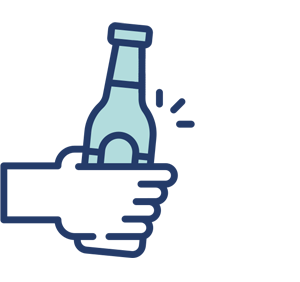
37.1% of North Dakota high school students get alcohol they drank by someone giving it to them.
Source: YRBS, 2025
You can help change that.
Don’t give alcohol to anyone under 21 or buy it for them. If you’re hosting young people at your home, you can also help keep the gathering alcohol-free.
What Is Social Hosting?
Social hosting means hosting or allowing a gathering where people under 21 are drinking alcohol. Adults may be held responsible when they knowingly allow underage drinking on property they own, rent or control.
Not In My House means you can welcome young people, host their friends and celebrate together — without providing alcohol.

Know the Law
Home Doesn't Mean Legal
North Dakota law says you cannot knowingly give alcohol to someone under 21, except in limited situations allowed by law. This applies even when you are at home or hosting a party. Providing alcohol to someone under 21 is a Class A misdemeanor.
Adults who provide alcohol to someone under 21 may also be held responsible for certain injuries caused by an obviously intoxicated person.
What this means for adults
- Your home is not a free pass. The law still applies at home and at private gatherings.
- Don't provide alcohol to anyone under 21. Doing so can lead to criminal charges.
- You may be held responsible for harm. North Dakota law allows certain people who are injured by an obviously intoxicated person to seek damages from someone who provided that person alcohol.
- When you host, set clear boundaries. Keep alcohol off-limits to anyone under 21.
If you're responsible for young people, don't provide alcohol. It's the law — and it's one way you can help keep them safe.
North Dakota Century Code §§ 5-01-06 and 5-01-09.
Why It Matters
Risks Associated with Teen Alcohol Use
Underage drinking can cause serious and lasting consequences for youth, families, and the community.

Brain Development
Alcohol interferes with the developing teen brain, affecting memory, decision-making, impulse control, and long-term cognitive function.

School Performance
Alcohol use is linked to lower grades, decreased motivation, increased absenteeism, and a higher risk of dropping out.

Risky Behaviors
Teens who drink are more likely to engage in unsafe behaviors, including impaired driving, unprotected sex, violence, and other substance use.

Community Impact
Underage drinking contributes to accidents, injuries, law enforcement involvement, healthcare costs, and broader community safety concerns.

Campaign Overview
What is Not My House?
- A prevention campaign that encourages adults, young adults and communities to make alcohol-free gatherings the norm for anyone under 21.
- Provides practical tools and resources to help parents, caregivers, hosts, young adults and community members prevent underage drinking.
- Promotes a simple, positive message: If you’re under 21, alcohol isn’t part of the gathering.
- Supports adults in creating welcoming spaces where young people can connect, celebrate and spend time together without alcohol.
- Helps communities work together to reduce underage drinking and the risks that come with it.
- Focuses on what adults and communities can do to create safer environments—not on judgment or blame.
Everyone Has a Role
Parents
Make your home the place kids feel welcome—not the place they know they can drink.
You can create a welcoming home with food, fun, friends and clear rules. You don’t need alcohol to make young people feel included.
College Students & Young Adults
You turned 21. They didn’t.
Your friends, roommates or siblings may be close in age, but providing alcohol to someone under 21 can still have serious consequences.
Adults & Communities
You are responsible for what you provide to minors.
A drink can feel like a simple favor when the young person is a relative, neighbor or family friend. But providing alcohol can put young people at risk and create legal and financial consequences for you.
Tools to Help You Take Action
Practical resources can make it easier to set boundaries, talk about alcohol and plan alcohol-free gatherings.
Party-Safe Tips
Hosting a gathering? Learn simple steps to keep it fun, safe, and alcohol-free for kids.
Conversation Starters
Not sure what to say? Use these prompts to spark open, honest talks with your child about alcohol.
82% of North Dakota high school students are alcohol free.
Source: YRBS, 2025

Underage drinking is linked to mental health concerns. Alcohol use among youth is associated with increased risks of depression, anxiety, self-harm and suicidal behaviors.
Source: AAP

A child's brain continues developing into their 20s. Delaying alcohol use helps protect brain development, learning, decision-making and overall well-being.
Source: AAP

Underage drinking is associated with poorer academic performance, including more school absences and lower grades.
Source: CDC
How to Get Started in Your Community
Implementing Not in My House is easier than you might think. Click the button to take action today!